Introduction
The Egyptians had a complex ideology pertaining to the self, perceiving themselves as multi-faceted individuals whose embodiment transcended death. They were concerned with questions which have returned in later European philosophy - questions about being and non-being, about the meaning of death, the constitution of the body, the nature of the cosmos and humanity, and about the basis of human society.
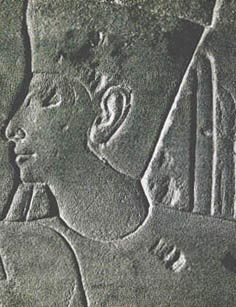
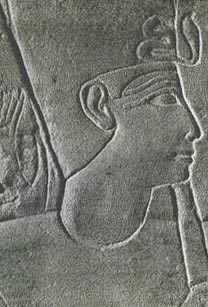
Lectures will draw upon recent theoretical developments in anthropology, sociology and feminist theory which seek to explore fluid hierarchies of difference - age, sex, class, ethnicity, sexuality - providing a valuable opportunity to link theory and data in an innovative manner. Taking the lifecycle as its structure, the lectures cover the Egyptian life course from conception to death and burial. They intend to draw a range of data sources together to be used dialectically, such as material culture, iconography, textual data and human remains.
We specifically focus on identity issues and life experience, drawing on the influences of social theory to interpret the Egyptian data.
Class sessions will combine presentations by the professor as well as specific topics given by the students after consultation. Students will also be expected to participate and comment at the end of presentations.